Lu Yu
Introduction
Lu Yu, often referred to as the Sage of Tea, was a Chinese writer, tea master, and scholar during the Tang Dynasty (618-907). He is best known for his comprehensive work, The Classic of Tea, which is widely regarded as the first treatise on tea and is a seminal text in the history of Chinese tea culture. Lu Yu's contributions have left an indelible mark on the world of tea, influencing tea cultivation, preparation, and appreciation both in China and internationally. His work and life continue to resonate in the realms of cultural heritage and tea practices across the globe.
Early Life
Lu Yu's early life was marked by his unique upbringing and varied experiences, which eventually led him to his lifelong passion for tea. Born around 733 in what is now Tianmen, Hubei province, Lu Yu faced a challenging start. Abandoned as an infant, he was adopted by Zhiji, a Buddhist abbot at Longgai Temple. It was here that Lu Yu was first introduced to the practice of tea brewing, a skill that would later become central to his identity. However, Lu Yu exhibited a strong will and an aversion to monastic life. As a teenager, he explored his talents by becoming an actor known for comedic roles. His potential was recognized by an official who encouraged him to pursue further education. This period of his life was punctuated by the An Lushan Rebellion in 755, which prompted Lu Yu to leave Central China and embark on a journey that would deepen his connection with tea.
Literary Contributions
The Tea Classic
The Classic of Tea is Lu Yu's magnum opus, completed during the Tang Dynasty. This comprehensive guide is considered the world's oldest monograph on tea, offering insights into the history, origin, and practices surrounding tea in China. The work is divided into three volumes, each addressing different aspects of tea culture. The first volume discusses the nature of tea, its benefits, and how it should be harvested and processed. The second volume focuses on the tools and techniques necessary for preparing and brewing tea. Finally, the third volume delves into the rituals and customs associated with tea drinking, elevating it to an art form. Lu Yu meticulously outlined criteria for evaluating tea quality, famously favoring varieties that resembled bamboo shoots and possessed a purple hue. His endorsement of Zisun Tea, or "purple bamboo shoot" tea, as a tribute to the Tang imperial court, underscores his influence on tea selection and production.
Influence on Chinese Tea Culture
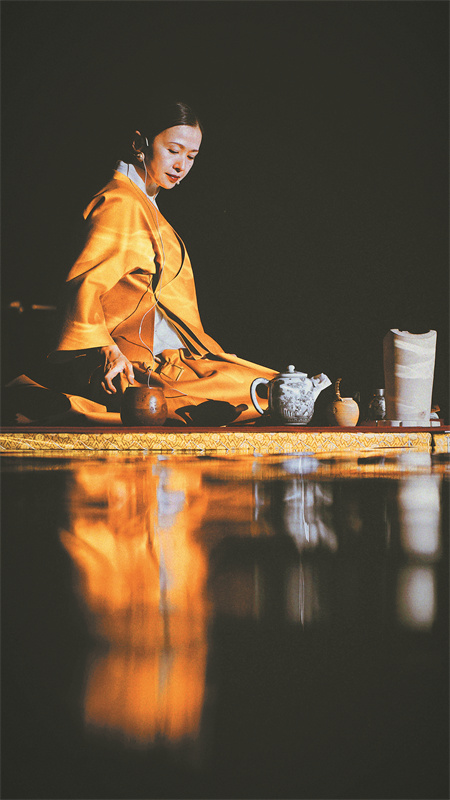
Lu Yu's work laid the foundational principles for what would become known as the "tea civilization". He transformed tea from a mere beverage into a cultural and spiritual practice. His philosophy emphasized discipline, moral conduct, and the refinement of the tea-drinking experience. Lu Yu's influence extended beyond China, contributing to the development of tea ceremonies in Japan, such as the chanoyu, or Japanese tea ceremony. His teachings on tea preparation and ritual fostered a sense of sophistication and social status around tea drinking, making it a symbol of elegance and introspection. The Jingshan Tea Ceremony, an exemplar of this refined practice, stands as a testament to the enduring impact of Lu Yu's contributions to tea culture.
Legacy
Lu Yu's legacy as the "tea saint" endures in both historical reverence and contemporary practice. His life and work continue to inspire tea enthusiasts and scholars around the world. Statues and monuments dedicated to Lu Yu can be found in regions he frequented, such as Huzhou, where he conducted much of his research. His burial alongside his close friend Jiaoran, a monk poet, on Zhushan Hill in Miaoxi, signifies his lasting connection to the spiritual and philosophical dimensions of tea. Lu Yu's teachings remain a cornerstone of Chinese tea culture, influencing tea production, ceremonies, and the appreciation of the beverage as a medium for meditation and enlightenment.
Cultural Impact
Lu Yu's influence extends beyond tea itself, permeating various aspects of Chinese culture. His work contributed to the elevation of tea into an art form, inspiring poetry, painting, and calligraphy centered around the theme of tea. The integration of tea into cultural and religious practices, such as those observed in Buddhist monasteries, underscores its role in fostering dialogue and contemplation. The Jingshan Tea Ceremony, which continues to be practiced today, exemplifies the spiritual and cultural richness that Lu Yu's legacy has imbued into tea traditions. His impact on the tea ceremonies of Japan further highlights the cross-cultural exchange facilitated by his work, cementing tea as a universal symbol of peace and harmony.
Recognition and Honors
Lu Yu's contributions to tea culture have been recognized and celebrated throughout history. His work is mentioned in various historical texts and has been the subject of numerous studies and commemorations. The rebuilding of the Tang Dynasty Imperial Tea Factory on Guzhu Hill, where Lu Yu once worked, serves as a tribute to his influence on tea production techniques. In modern times, events such as International Tea Day and exhibitions like "Tea for Harmony: Yaji Cultural Salon" continue to honor his legacy, promoting awareness of tea's cultural, historical, and social significance. These celebrations reflect the enduring respect and admiration for Lu Yu's pioneering role in shaping the world of tea.
Further Reading
For those interested in delving deeper into the life and work of Lu Yu, various resources are available. His seminal text, The Classic of Tea, remains a foundational read for understanding traditional tea culture. Scholarly articles and books exploring the history and impact of tea in China provide further context to Lu Yu's contributions. Additionally, cultural exhibitions and tea-related events offer immersive experiences for those seeking to connect with the rich heritage of tea and its ongoing relevance in contemporary society. As tea continues to serve as a bridge between cultures, Lu Yu's legacy stands as a testament to the power of a simple beverage to foster understanding, harmony, and appreciation across civilizations.








